Iñárritu shot a football advert like a feature
Write the Future ran for three minutes, cost a feature film's worth of preparation, and redrew what a football commercial could ask of a director.
The Brief That Arrived as a Feature Pitch
Nike had already established, across a decade of World Cup campaigns, that the football commercial could sustain genuine cinematic ambition. The airport film in 1998 placed the Brazil squad in a terminal and let the film breathe without a ball in sight. The Secret Tournament in 2002 built a whole genre conceit — a cage, a ship's hold, Cantona as ringmaster — around three-a-side. By 2010, the brief at Wieden+Kennedy Portland had grown to match that history, and the answer was to reach outside the category entirely and hire a filmmaker best known for features.
Alejandro González Iñárritu arrived at the project having directed Amores Perros, 21 Grams and Babel — three features that share a structural obsession with the chain of consequences that flows from a single moment. Each film asks what happens downstream when one thing goes differently. The brief, as Nike and Wieden+Kennedy shaped it for the South Africa tournament, was precisely that question applied to football: what does a moment of genius do to the world around it? What does a miss? Iñárritu already had his answer. He had spent a decade making films about exactly that.
Write the Future runs for a little over three minutes in its long-cut version. It opens on Didier Drogba collecting the ball deep and the film immediately fractures forward into a chain of consequence — an entire civilisation, almost, pivots on whether the next pass lands correctly. A Drogba goal triggers a cut to the Ivory Coast at peace; a Drogba miss triggers something darker. The film does this repeatedly: Wayne Rooney scores, and he is briefly glimpsed in a knighthood ceremony and then in a retirement bingo hall in what reads as the same lifetime. Cristiano Ronaldo strikes from distance and the camera holds on a Ronaldo statue being unveiled — a joke, in 2010, that became oddly prophetic. Landon Donovan, Roger Federer, Kobe Bryant and Homer Simpson all pass through, each one a small satellite of consequence orbiting the central conceit.
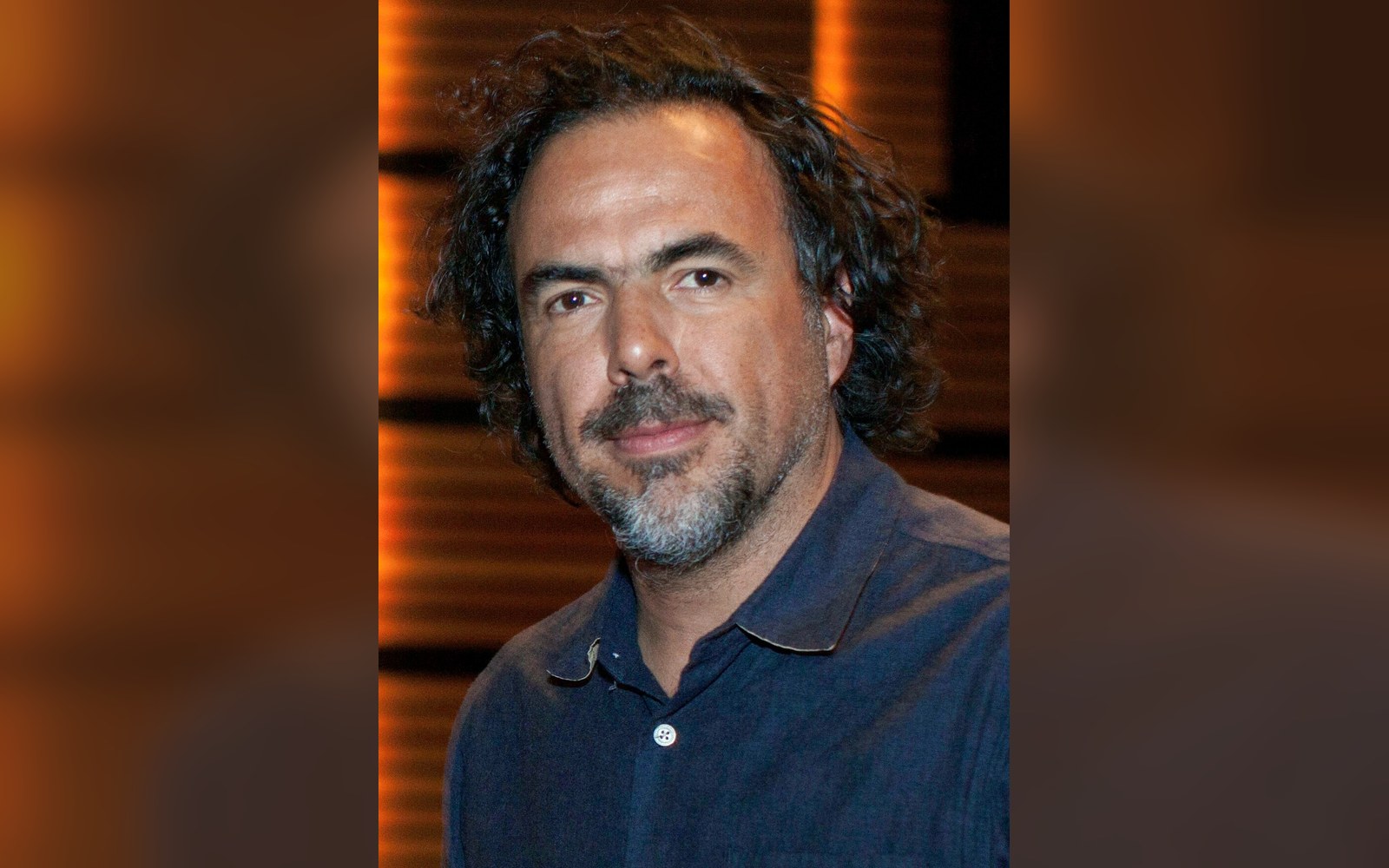
Alejandro González Iñárritu
Director · Write the Future, 2010
Made Amores Perros, 21 Grams and Babel before this — three features built on the same question: what happens downstream of one moment. He did not direct another commercial afterwards.Photo: Alejandro González Iñárritu 2014 · Wikimedia Commons
How a Feature Director Shoots a Commercial
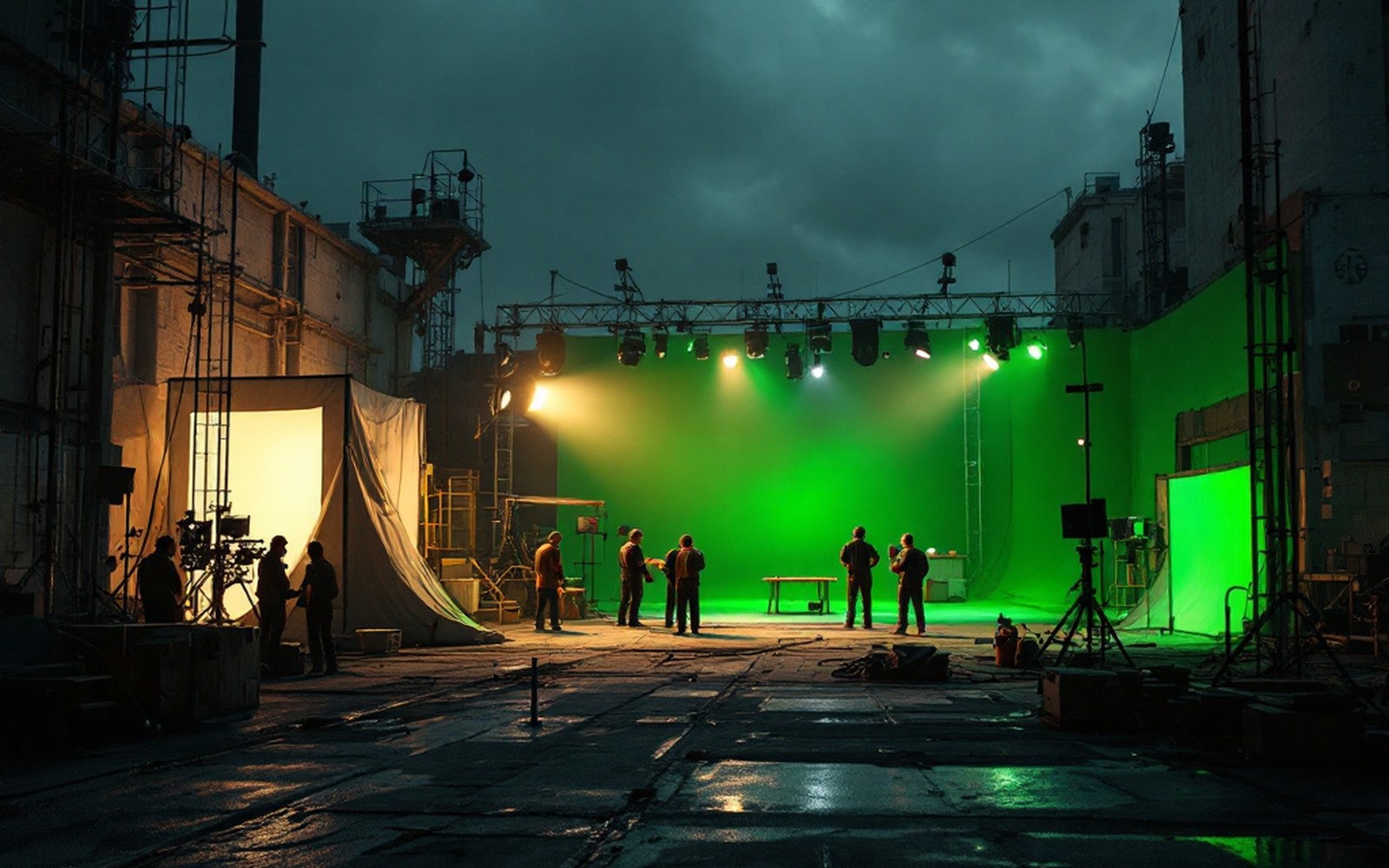
The structural problem was production rather than creative. Players are not actors and their schedules are not production schedules; FIFA's pre-tournament window is narrow, clubs are protective, and insurers are watchful about the physical risk of any unusual on-camera action. Iñárritu had made ensemble films with large international casts working across multiple languages and locations, but those productions were built across months. Write the Future had to compress that into the limited windows commercial shoots have always worked with, then expand the post-production pipeline to carry what was shot into something with the colour and texture of a theatrical release.
Wieden+Kennedy's production infrastructure meant the shoot was broken into separate units — different players photographed in different cities across different weeks, then assembled in edit. The continuity illusion, where Drogba's touch appears to trigger a cascading global consequence in something close to real time, is an editing and visual effects achievement as much as a directing one. The cut has the ball behaving exactly as scripted when needed, and the VFX team worked on the consequence sequences — the street parties, the darkness, the statue — as heavily as any feature pipeline would.
What Iñárritu brought that a commercial director trained in the category would not automatically have reached for is tonal range. The film is genuinely funny in places — the Rooney bingo hall, the Federer cameo used as a straight comic cut — and genuinely melancholy in others. It treats the weight of a miss as a real thing rather than a rhetorical one. Most football commercials, even ambitious ones, operate in a single register: heroic, or comic, or nostalgic. Write the Future moves between all three in the same three minutes without losing coherence, which is a directorial skill that comes from managing a ninety-minute feature rather than a thirty-second slot.
The film also works with the sound off, which is a structural requirement for any global cut. Iñárritu built the film's argument in images: the statue, the bingo hall, the burning thatched hut, the street celebration — each consequence sequence reads without dialogue or narration. The only text is the film's title card. A viewer in a market where the audio track never played would still follow the chain of logic, which is exactly what the global cut demands.
The Ceiling and What It Cost
Write the Future was released in late April 2010, ahead of the South Africa tournament that opened in June. Nike's media buy placed it in television slots and online simultaneously, a distribution model that by 2010 had become standard for campaigns expecting viral traction — but the film was long enough, and polished enough, that it circulated as a piece of content rather than as advertising. Within days of release it had been shared as a film, not filed as a spot. That distinction matters to how the campaign is remembered: the Cannes Lions jury encountered it as filmmaking that happened to end with a swoosh, not as a commercial that happened to be directed by a famous filmmaker.
Nike's relationship with Wieden+Kennedy had produced the Joga Bonito campaign, the Secret Tournament, and the airport film, a dozen-year run in which the four-year World Cup cycle imposed its own editorial discipline: you had one window, one tournament, one chance to set the ceiling a little higher. Write the Future is where that trajectory peaked in terms of production ambition. The budget was not published, as Nike's commercial production costs never are ↗, but the scale — the number of players, the VFX pipeline, the post production finish — put it in territory that a mid-budget feature film would recognise.
The formal achievement is separable from the commercial one, though both matter here. FIFA's sponsorship tiers gave Adidas the official partnership and the right to use the tournament's marks; Nike, as it had done at every World Cup since 1994, operated outside the official structure and compensated with production values and creative ambition. Write the Future does not mention the World Cup by name. It does not need to: the timing, the players, the stakes established in the film's opening seconds make the context legible to any viewer. Ambush in this tier is not subterfuge. It is filmmaking good enough to need no explanation.
Iñárritu did not make another commercial after this. The film stands as a one-time intervention by a director who brought the full weight of his feature practice to a format that had been asking, for a decade, whether it could hold that weight. The answer was yes — once, at three minutes, with the world's best players and the structural question that had already sustained three of the most formally complex films of the previous decade. That question — what does a single moment of football do to the world around it ↗ — is still the best brief the genre has produced.