The players are not actors and the schedule knows it
Squad availability is measured in days between fixtures, so the shoot is built around a window that cannot move.
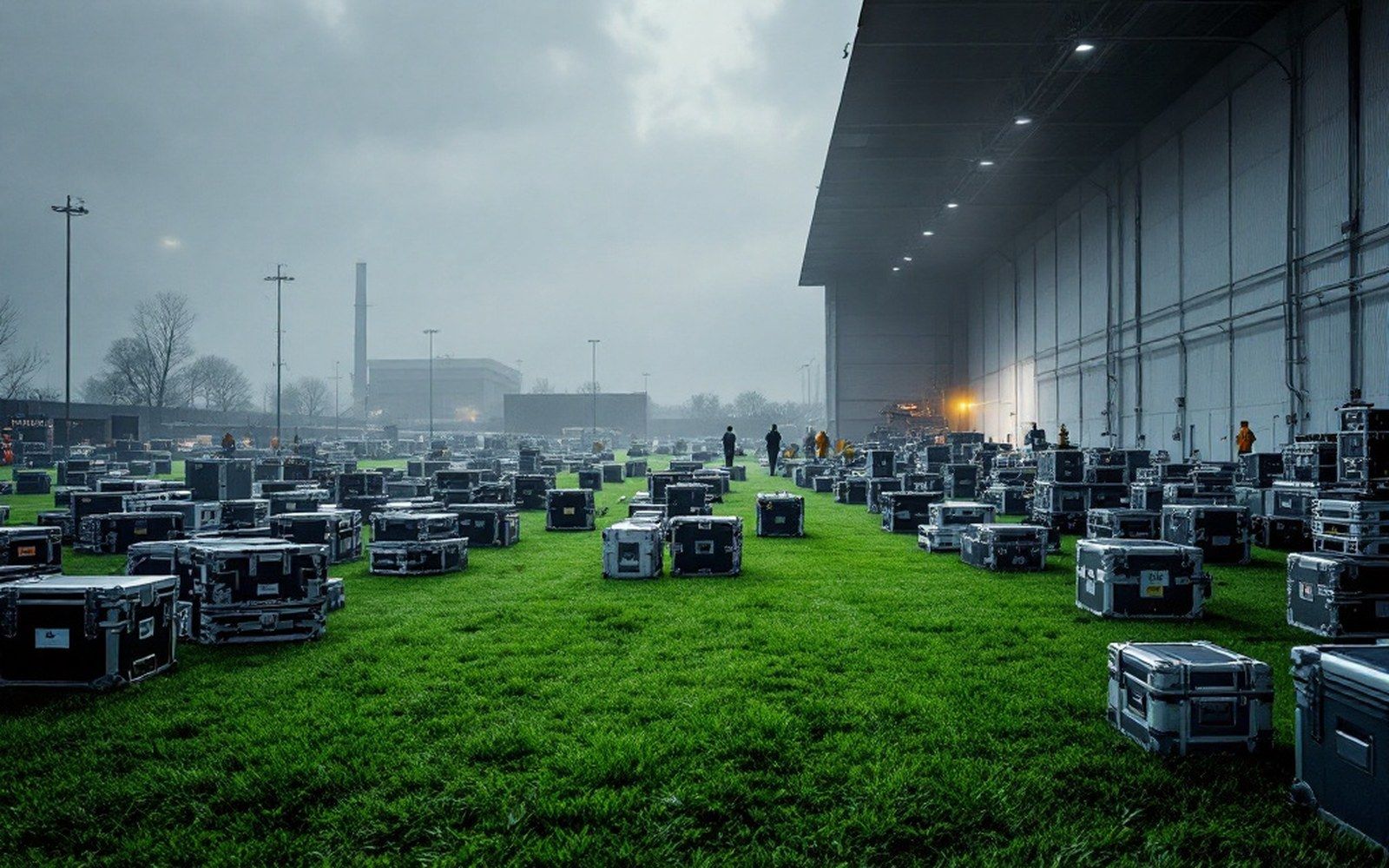
The window that cannot move
Every four years, the same negotiation begins in the same way. An agency — Wieden+Kennedy for Nike, a rotation of agencies for Adidas — arrives at a club's training ground with a production schedule and a polite request for five days. The club's football director looks at the fixture calendar and offers two. Sometimes one. On occasion, a morning.
That constraint is not incidental to the genre. It is the genre. The entire grammar of World Cup advertising — the quick cuts, the skill sequences shot tight enough to disguise the number of takes, the preference for atmosphere over narrative — has evolved because the players are never available long enough to make anything more ambitious. Actors prepare for a role over weeks. A centre-forward with a Europa League fixture on Thursday and a Premier League game the following Sunday is available on Tuesday, provided travel is accounted for and the physio agrees.
The arithmetic tightens further when the film needs more than one player. Squad availability does not compound conveniently: five players from five clubs in four countries rarely share a single clear day. Nike's production teams, working on campaigns through the late 1990s and into the 2000s, became expert at shooting principals in isolation and compositing them later, or at restructuring scripts to place players in separate sequences so their diaries never needed to align. The 1998 airport film achieved its feeling of ensemble by scheduling each player's shoot around their individual travel, then editing in a way that made it feel simultaneous.
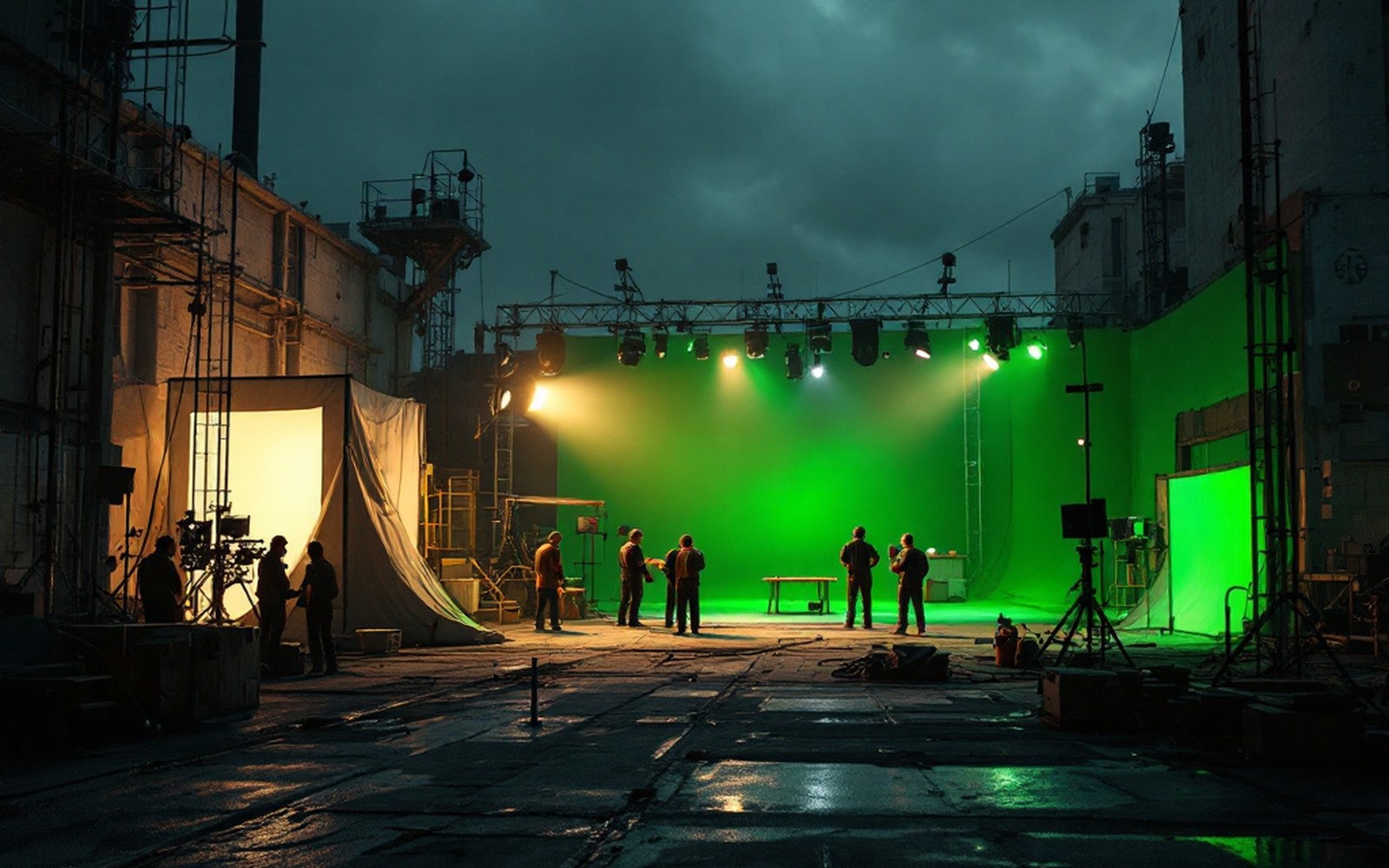
What a shoot day actually looks like
When the window is agreed, the production infrastructure goes up fast. The shot list — the ordered sequence of every camera setup, angle and move — is finalised before the player arrives, because there is no time on the day to improvise it. Video village, the cluster of monitors where the director and agency creative director review takes, is positioned for maximum speed of decision: a take is approved or reshot within seconds, not minutes. Everything the player will be asked to do has been tested with a stand-in, so the lighting is set, the camera is on the right lens and the ball, if one is involved, has been rehearsed to the point where the physical requirement on the player is as minimal as possible.
That last point matters more than it sounds. The ball has to do a specific thing on camera, and the ball does not always cooperate. On a feature film, a problematic prop is a problem for the prop department to solve over days. On a shoot where the talent is contractually obligated elsewhere by four in the afternoon, it is solved before lunch or cut from the script. Directors who have worked repeatedly in the football advertising space — Guy Ritchie shot several Nike films in this period, Jonathan Glazer directed the early Guinness and Nike work that defined a visual register — learned to design sequences that looked technically demanding while placing the minimum possible random-chance burden on a single piece of play. The ball is in frame for less time than the viewer thinks; the edit does the rest.
The sound question runs alongside this. A global campaign is typically cut for silent playback, because the film must work without audio in markets that will never hear the original language track, on screens in transport hubs and shop windows where sound is simply absent. That design principle quietly alleviates some of the performance pressure on the players: a player who cannot hear a director's cue between takes, or who delivers a line in the wrong language for a given market, is less of a problem when the final edit does not depend on sync sound. The visual performance has to carry the film on its own, which pushes directors toward physical action sequences — the skill move, the celebration, the confrontation — where the player is doing something they have spent years doing, rather than acting.
Non-actors who know what they look like
The best football advertising has always found ways to use what players actually are rather than asking them to become what they are not. Thierry Henry, who appeared in Nike campaigns across this period, had a quality of loose physical confidence in front of a camera that many trained actors spend years trying to acquire. Cristiano Ronaldo, who has featured in more commercial productions than almost any active player across the 2006–2018 cycle, understood from an early point in his career that on-camera presence was a professional skill worth developing; his performances in Nike and other brand productions became progressively more controlled. Ronaldinho, working with Nike in the early 2000s, needed almost nothing asked of him because the thing the camera wanted — the joy he took in the ball — was simply what he was.
But these are the exceptions. Most players are uncomfortable. They stand differently in front of a lens than they do on a pitch. They look at the camera. They laugh when they should not and go blank when they should laugh. Directors have different strategies for managing this. One common approach is to exhaust the self-consciousness out of them — shoot forty takes until the player stops performing and starts doing. Another is to design a script where the discomfort is irrelevant: if the player is required to strike a free kick into a wall at pace, nobody is watching their face. A third, which became standard for Nike's larger productions, is to build the script around the footballer's existing public persona rather than asking them to inhabit a fictional character. Eric Cantona played a version of the arch-entertainer he already was in Nike's Secret Tournament precisely because that required no performance in the theatrical sense — it required only that he be himself on camera, which he could do, and that he deliver a line or two, which he could also do.
Adidas has tended toward a warmer, less confrontational visual language in its World Cup films — the Jose+10 film is the clearest example — which suits players who are not naturally comfortable in front of a lens, because the camera is less insistently in their face. Nike's aesthetic has historically been harder, more intense, closer. Both are legitimate responses to the same underlying truth: the players are not actors, the schedule is brutal, and the film has to be excellent anyway.

The solution, arrived at over thirty years of World Cup campaigns, is not to pretend the constraint does not exist. It is to design around it so completely that the viewer never sees the seam between what the player could do and what the script needed. When that works — and in the best films it works cleanly — the result is a piece of film that looks effortless. The effort, of course, is entirely elsewhere.