Thirty-six orange dresses and a formal complaint
The Bavaria Brewery stunt at South Africa 2010 became the defining case study in what FIFA's sponsor contracts actually prohibit — and what a beer brand can do without spending a cent on official rights.
The stunt and the arrests
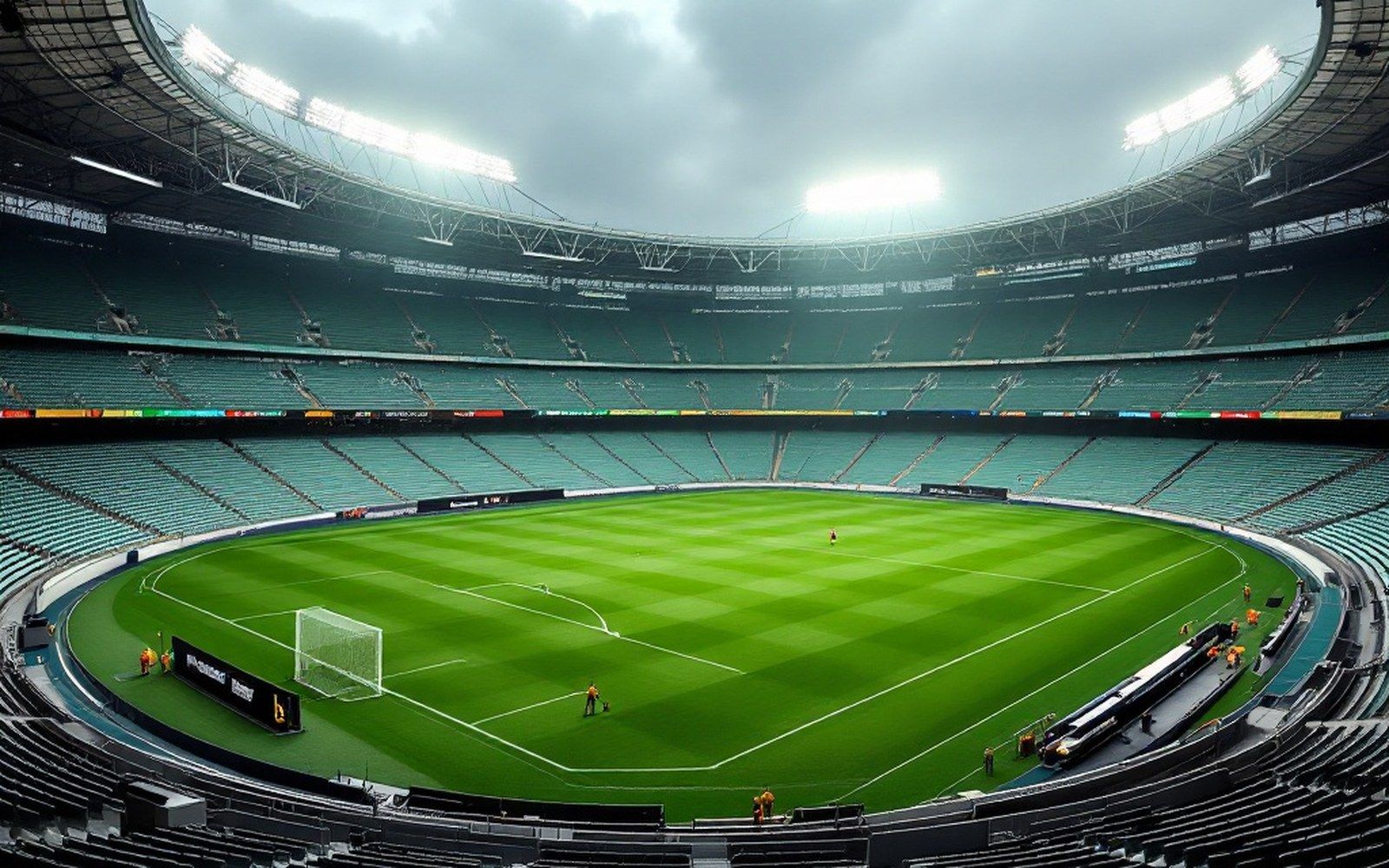
On 14 June 2010, during the Netherlands versus Denmark group match at Soccer City in Johannesburg, thirty-six women stood up in the stands wearing short, identically cut orange dresses. The dresses bore no logo. They carried no banner. The women chanted, danced, and drew television cameras precisely because they were a coordinated block of colour in a stadium full of neutrals. Within minutes, stewards had removed most of them. South African police detained two of the women — a Dutch national and a South African — under legislation that had been drafted specifically to protect FIFA's commercial rights during the tournament.
The dresses had been supplied by Bavaria, a Dutch brewery with no official connection to the World Cup. Budweiser held the exclusive beer category rights as a FIFA partner, which meant no rival brand was permitted to associate itself with the tournament through advertising, signage, hospitality or — FIFA argued — organised promotional activity inside venues. Bavaria had pulled a version of the same move at the 2006 tournament in Germany, where fans in Bavaria-branded lederhosen were ejected from a stadium. For 2010 the brand simply removed the branding from the garment and distributed the dresses beforehand.
What the contract actually says
FIFA's sponsor structure operates in tiers. At the top, a small group of global partners — including Adidas, Coca-Cola, Budweiser's parent Anheuser-Busch InBev and Visa among others — pay for category exclusivity: the contractual right to be the only company in their product sector allowed to use World Cup marks, trade on the tournament's name, or conduct marketing activity in and around official venues. That exclusivity is the core of what the rights fee buys, and its value collapses if it can be replicated for free by a competitor who simply avoids the logo.
The Bavaria dresses were legally intricate precisely because the brand name did not appear anywhere on the garment. The South African Merchandise Marks Act, amended ahead of the tournament to give FIFA extraordinary protections, prohibited ambush marketing defined broadly enough to include coordinated promotional activity that implied an association with the event — even without explicit marks. FIFA filed a formal complaint. The two detained women were released after questioning, and the charges were eventually dropped, but the process itself was the point: the complaint put the legal framework on the record and demonstrated that FIFA would use it.
Bavaria, for its part, received global news coverage that no thirty-second slot could have bought. The arrest footage ran on broadcasters across Europe. The brand's name appeared in every report. The total production cost was the dresses.

Why it became the textbook case
Ambush marketing is as old as Olympic sponsorship, but the Bavaria case crystallised the specific tension in football's commercial structure because it happened inside the venue, during a televised match, and generated footage that was itself broadcast. Earlier ambushes — a competitor's blimp over a stadium, a billboard on the route from the airport — operated at the margins. Bavaria's stunt was inside the frame.
It also arrived at a moment when FIFA's South African hosts were navigating complex questions ↗ about host-country legislation written to serve a private organisation's commercial interests, and when the definition of "association" in ambush-marketing law was genuinely unsettled. The charges being dropped without conviction meant the legal boundary remained blurred — which, depending on your reading, either emboldened future ambushers or simply reflected how hard the case was to prosecute.
For sponsors, the episode confirmed that exclusivity is a floor, not a ceiling. The fee buys the right to the marks and the category; it does not buy immunity from a competitor who is willing to accept ejection and a news cycle. Every subsequent FIFA partner contract has had to reckon with thirty-six orange dresses.