Everyone knows the date, and that changes what gets made
A fixed tournament calendar means briefs land years before broadcast, budgets are locked early, and the shoot window is planned around a squad's last free fortnight — which is why these films are so much more ambitious than anything ordinary advertising produces.

The deadline that arrives on schedule
Most advertising is planned in rolling quarterly cycles, with campaigns adjusted, pulled or rescoped as circumstances change. World Cup films operate on a different logic entirely. The tournament date is known years in advance ↗ — the host confirmed, the opening match scheduled, the window fixed — and that certainty does something unusual to the production calendar. It doesn't compress it; it stretches it. Agencies and brands begin serious creative development eighteen months to two years before broadcast, which is a luxury almost no other advertising category enjoys.

That lead time matters because it allows something rare: genuine creative ambition. When a director knows the broadcast date with the precision of a train departure, the production can be engineered backward from it. The location can be scouted properly. The script can be rewritten. The shoot can be designed around what a ball and a professional footballer can actually, repeatably do — rather than what a quick brief and a three-week production schedule might wring from them. The fixity of the calendar is, counterintuitively, what gives these films their freedom.
Budget approval follows the same logic. The FIFA partner structure — the tiered sponsorship architecture that grants category exclusivity and the right to use the tournament's marks — means the major sponsors have made contractual commitments years ahead of the event. Nike, operating outside the official partner tier but investing in campaign scale that matches or exceeds it, plan their World Cup spending cycles on a similar horizon. Because the money is earmarked early, the creative brief can be written to the budget rather than trimmed to fit what was left over after the media buy.
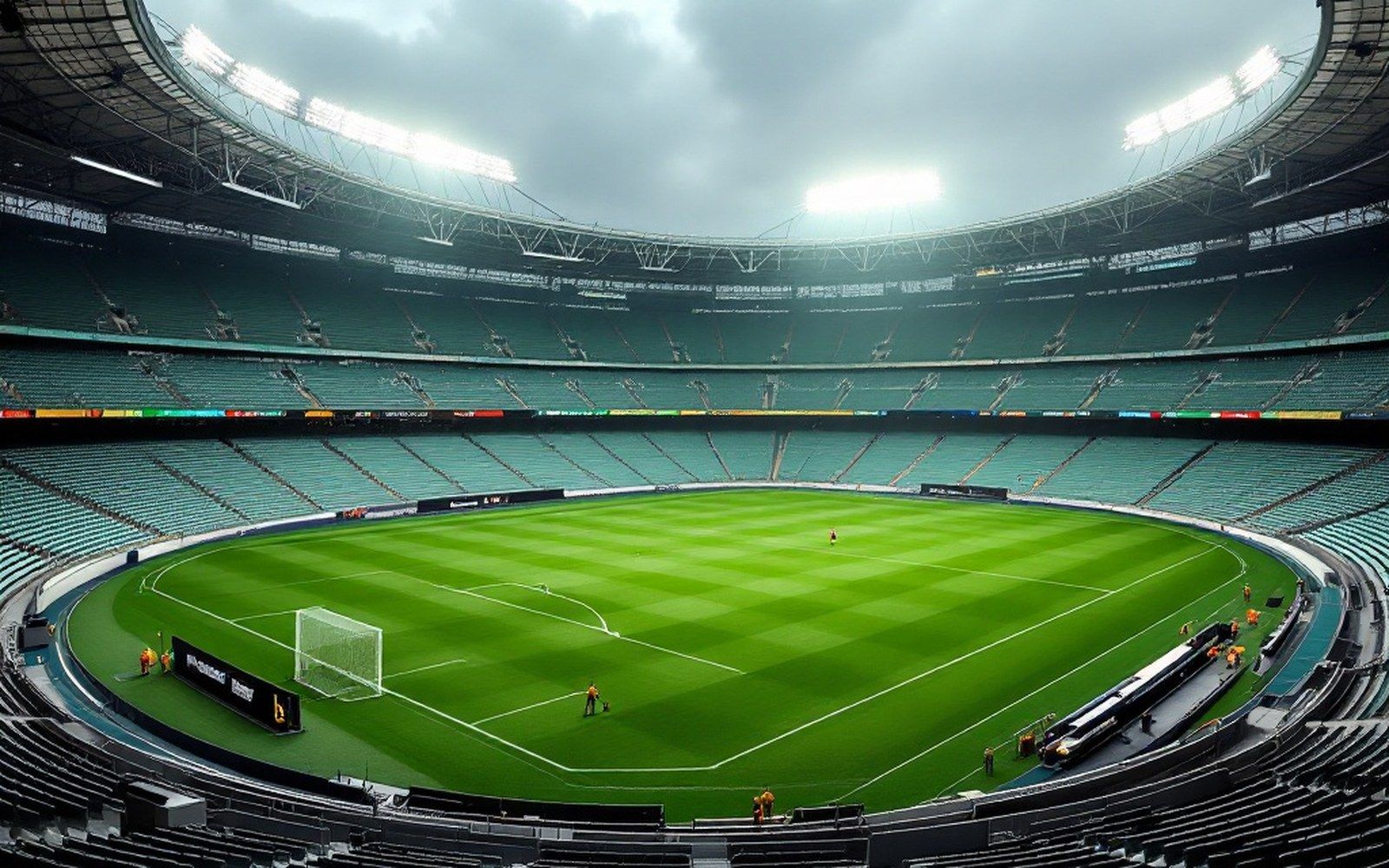
The shoot window and what it costs
The calendar also introduces the constraint that all this lead time is designed to absorb. Squad players are available for filming only in the narrow gap between the end of a club season and the beginning of national team preparations — typically a fortnight, sometimes less. Every major World Cup film has been built around this window, and the logistics of occupying it are considerable.
Getting fifteen or twenty international players into the same location on the same days requires agreements between their clubs, their national federations, their personal representatives and the production company. Insurance riders cover injury. The player contracts specify usage rights — which markets, which platforms, for how long — and those rights have to be cleared before a frame is shot. Wieden+Kennedy, who handled Nike's campaigns across multiple tournaments, developed production frameworks for coordinating this precisely because improvising it tournament by tournament was too costly and too risky.
On set, the video village — the cluster of monitors where director, agency creative directors and client representatives watch the live feed — is typically populated by more stakeholders than on an ordinary commercial. A four-day shoot with twenty players costs more per day than most brands spend on a campaign, and every person with budget authority wants to be present when it is being spent. The director's job is to hold the creative against that pressure. The best World Cup directors are, among other things, very good at running a set.
What the early brief makes possible is extensive pre-production on the ball work — the element that, in football advertising, most often fails on the day. A scripted piece of skill that looks plausible in storyboard form may take dozens of takes to achieve on camera, or may prove impossible at the speed and angle the edit requires. Because the production has had months to work with technical consultants and players' agents, the shot list can be tested before the shoot window opens. The sequences that cannot be made repeatable are cut from the script; those that can are blocked precisely, so the shoot days are not spent discovering problems.
Ambition and the four-year cycle
The four-year rhythm of the World Cup does one more thing to production culture: it sets a competitive benchmark that resets every tournament. The agencies and the brands know that every significant competitor is also in production, also working from a long brief, also preparing to spend at scale. That knowledge pushes each campaign toward something it would not otherwise be — something that can be remembered in four years' time, when the next tournament arrives and the previous film becomes the standard being surpassed.
This is why the genre has produced work that sits outside advertising's ordinary ambition. Alejandro González Iñárritu directing a Nike film for the 2010 South Africa tournament — with a budget, a cast and a visual language borrowed from prestige cinema — was possible because the brief had existed long enough for a director of that stature to be approached, negotiated with, and given a production schedule that fit his working method. That conversation cannot happen in three weeks.
The Cannes Lions jury that awarded the film recognised something the production calendar had made possible: advertising shot with the patience and resource of short film. The judges were not responding to the subject matter — football films had won before — but to what the lead time, the budget lock, and the careful management of a very difficult shoot window had permitted.
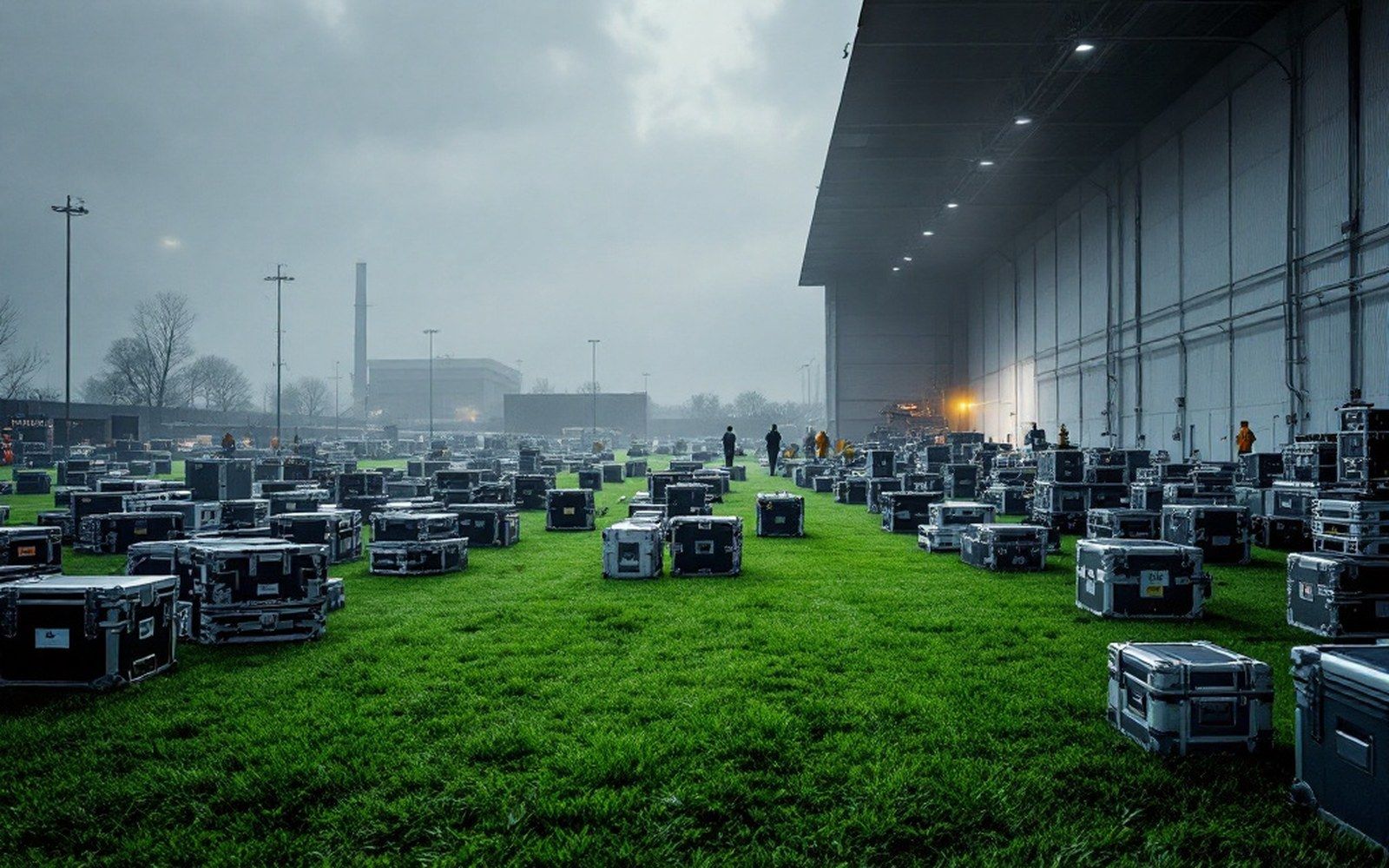
There is a further consequence that is less often discussed. Because the brief arrives so early ↗, the creative is written before the tournament's own story exists. The campaign that runs during Germany 2006 was designed when no one knew Zidane would still be playing in it, let alone how his tournament would end. The campaign for South Africa 2010 was finished before anyone knew Spain would win their first World Cup. The films cannot depend on what happens; they have to create their own logic, their own stakes, their own ending — which forces the writing away from topicality and toward something more durable. The clock is not only the production's engine. It is also, in a precise way, the reason these films tend to outlast the tournament they were made for.