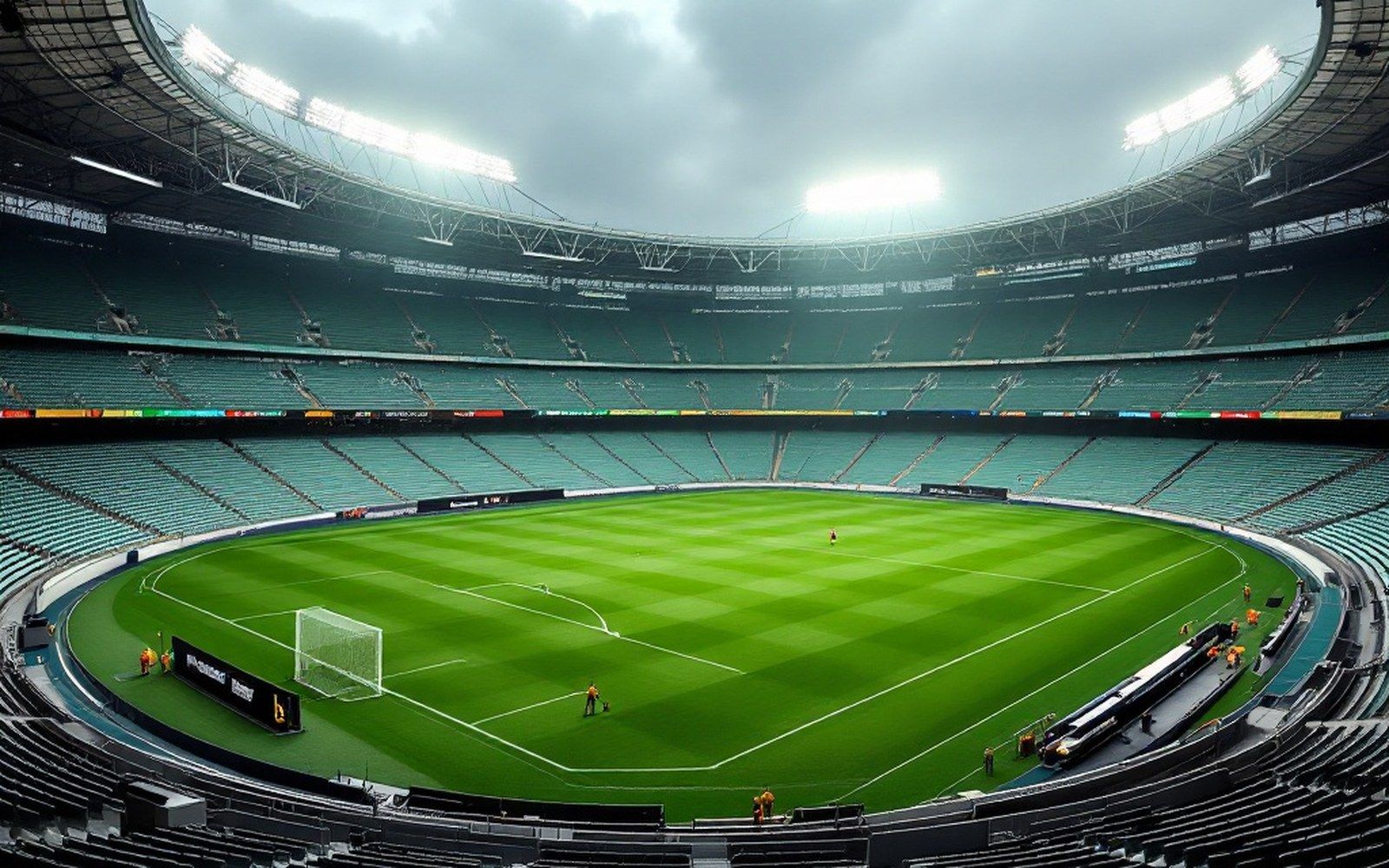
A slot price gets reported like a transfer fee
When the cost of thirty seconds becomes the headline, the spend itself does the work.

The number that travels for free
Every January, someone publishes the price of a thirty-second spot in the Super Bowl, and the number moves through sports pages, business columns and social feeds as if it were a transfer fee or a record signing. The mechanism is the same: a large figure attached to a well-known property, legible to a general audience, easy to share. In 2024, that figure reached approximately seven million dollars ↗ for a single half-minute. The reporting does not come from the broadcaster. It comes from trade press and industry analysts repeating a figure that the networks neither confirm nor fully deny, which means it circulates in a state of productive ambiguity — approximate, plausible, and therefore persistent.
This is a structural fact about how slot prices work in high-attention sports broadcasting. The price is not secret, exactly, but it is not published in a rate card either. It is disclosed through leaks, confirmed through inference, and then treated as settled. Once it travels, it does a second job: it tells every reader that the brands appearing in that broadcast bought something serious. The slot price becomes a halo that falls on every advertiser who paid it.
Football does not have a single moment equivalent to the Super Bowl's halftime window, but the FIFA World Cup ↗ final, the Champions League final and major international tournament broadcasts carry analogous dynamics. A buy around a World Cup final carries premium rates that are rarely published but widely understood, and when figures do surface — usually through broadcast rights deals disclosed to regulators, or through sponsor filings with stock exchanges — they are picked up and reported in exactly the transfer-fee register. The number makes news. The advertiser gets coverage it did not separately buy.
Why football is different from the Super Bowl model
The Super Bowl's slot price is self-contained: one event, one broadcaster in the domestic market, one number. The World Cup is distributed across dozens of broadcast partners in as many territories, which means there is no single slot price and no single moment of disclosure. What exists instead is a web of rights deals, each negotiated separately, each subject to different disclosure rules depending on the jurisdiction. The aggregate is enormous — FIFA's broadcast revenue from the 2022 Qatar tournament was reported in its own financial disclosures as running into the billions — but it does not resolve into a single quotable figure the way the Super Bowl's reported slot price does.
This fragmentation changes how slot prices function as earned media in football. Because there is no single number, the reporting tends to cluster around the rights deal rather than the individual buy. When a broadcaster pays a record sum for World Cup rights, that figure travels. When a sponsor signs at the top FIFA partner tier — committing to a package that includes broadcast inventory, perimeter boards, and the right to use the tournament marks — the total deal value is sometimes disclosed and sometimes inferred, and in either case it circulates as a proxy for the slot's worth.
For the advertiser, this is not a disadvantage. A figure that requires some interpretation stays in circulation longer than a clean number. Journalists return to it. Analysts update their estimates. The campaign runs before the campaign runs.
The transfer-fee comparison holds further than it looks
Transfer fees work as news because they are simultaneously financial data, sporting judgment and status signal. A club that pays a record fee is announcing something about its ambition. A brand that is known to have paid a premium World Cup slot price is doing the same thing. Neither number tells you whether the investment worked, but both tell the audience that someone decided it was worth it, and that judgment — made by people with money at stake — carries its own persuasive force. The slot price, reported like a transfer fee, is already a form of advertising.