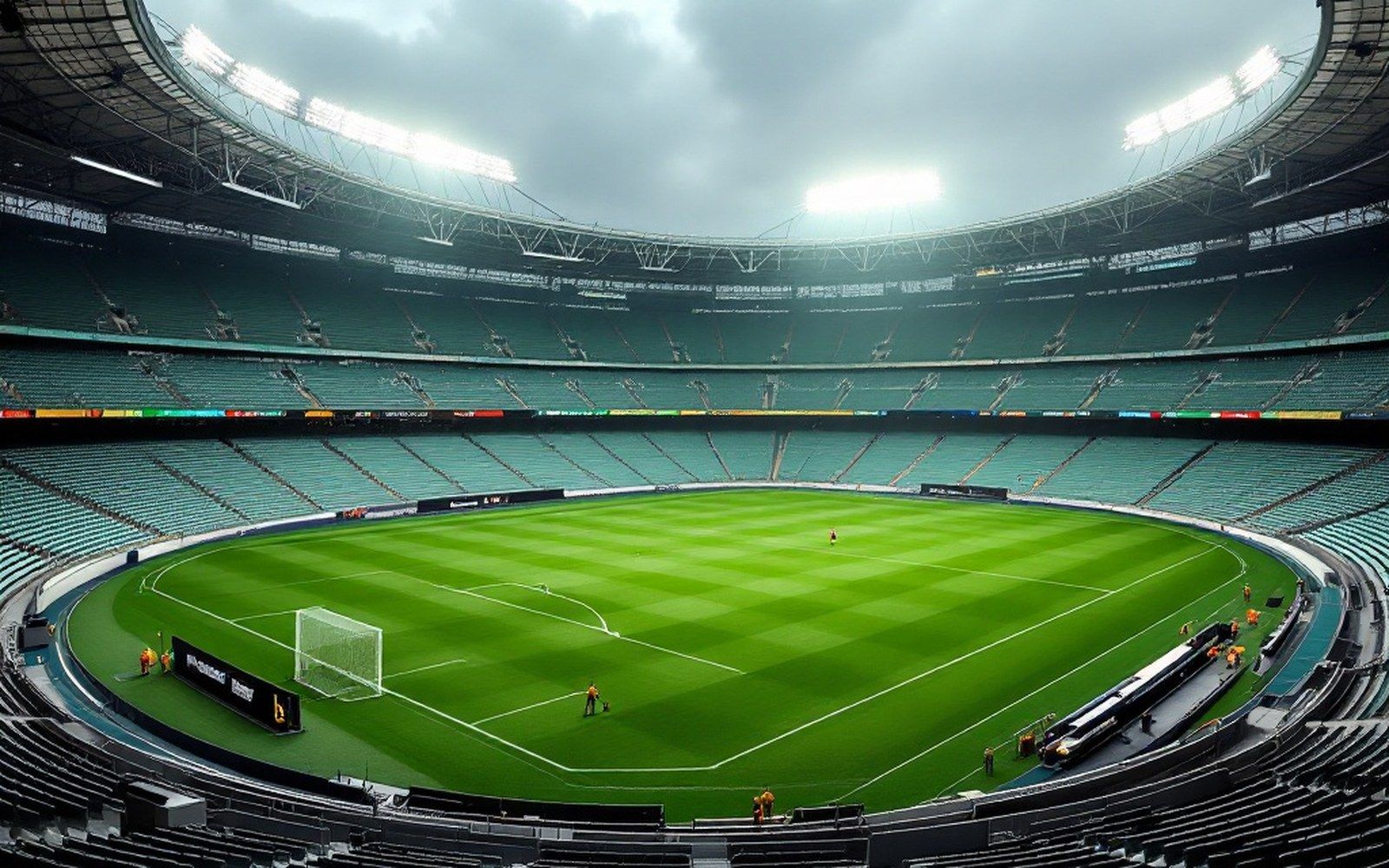
The shirt is the longest-running advert in the game
Front-of-shirt sponsorship runs for whole seasons in front of every camera, which makes it the most-seen and least-discussed form in football advertising.
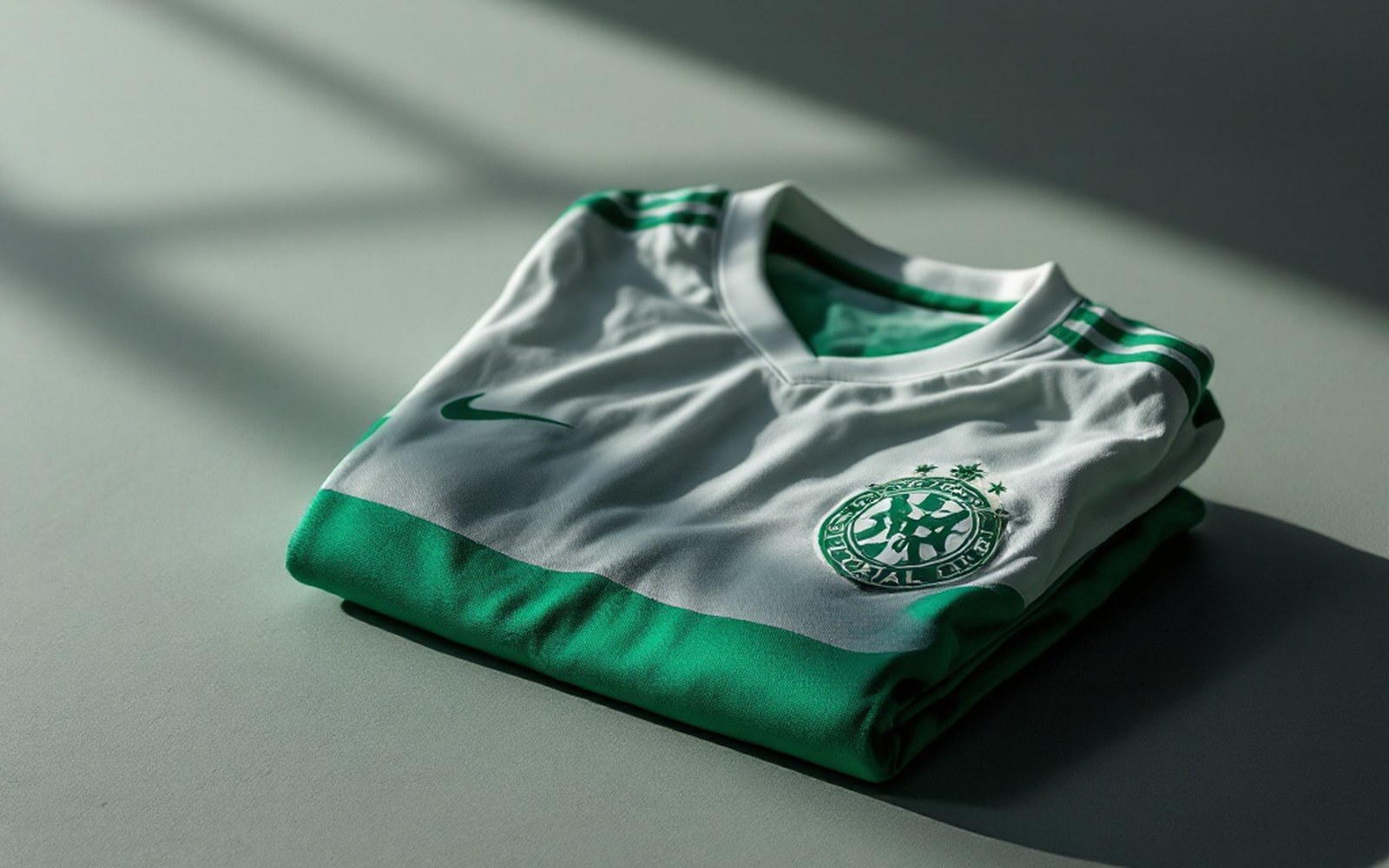
One Logo, Forty-Eight Weeks
No campaign director calls action, no creative brief shapes the message, and no slot price is negotiated per impression. The sponsor's name is simply there — on the chest of every player, in every press conference, in every goal-celebration photograph — for the duration of a season. Front-of-shirt sponsorship is the most persistent advertising surface in sport, and it operates almost entirely outside the conversation about football films and creative work.
The mechanics are straightforward. A club licenses its shirt front to a commercial partner, typically for a fixed annual fee negotiated over a multi-year term. The partner's brand then appears in every televised match, every training-ground interview and every editorial image the club generates. Unlike a broadcast slot, it cannot be skipped. Unlike a stadium banner, it travels with the player wherever the camera follows. The history of shirt sponsorship in English football traces back to the late 1970s, when the Football League's restrictions were gradually lifted and clubs began treating the chest as commercial space.
What the format demands is different from what a produced film demands. There is no narrative, no shot list, no edit. The brand's legibility depends entirely on kit design — typeface, colour contrast, placement — and on how often the shirt is pointed at a lens. A team that reaches the latter stages of a domestic cup and qualifies for European competition will double or treble the number of televised appearances in a given season, multiplying the value of what was agreed at signing.
Guaranteed visibility, uncertain context: the shirt performs whatever the results, but the results decide what the shirt is saying.
The sums attached to the front of a shirt at the largest clubs are substantial by any advertising measure ↗. At the top of the market, deals have historically been worth tens of millions of pounds per season; they are renegotiated when a club's fortunes shift, and they expire when relegation or a trophy drought changes the audience calculation. The brand is buying reach measured in cumulative viewing hours rather than a defined media buy.
What this form does not offer is control. The shirt performs regardless of results, but results change what the shirt communicates. A brand on the chest of a relegation-threatened side is receiving very different coverage from one on a title contender. That asymmetry — guaranteed visibility, uncertain context — is the structural tension that makes front-of-shirt sponsorship unlike any other format in the game.